Building practical AI, software, and engineering tools for real-world problems.
Ideas deserve a kickstand before they can change the world.
Every project begins as a question. Kickstand R&D explores ambitious ideas—from digital twins and scientific simulation to artificial intelligence and open-source software—and turns them into practical tools that anyone can learn from, build upon, and use.
How We Work
Every project starts with curiosity. We investigate difficult problems, evaluate existing approaches, and document what we learn.
Ideas become working software through iterative engineering, rapid prototyping, and continuous experimentation.
Knowledge grows when it's shared. Whenever possible, our work is documented openly through Lab Notes and released as open-source software.
Active Research
FusionTwin
An open-source digital twin for fusion reactors.
FusionTwin is an ongoing research project exploring the simulation and visualization of magnetic confinement fusion systems.
Our goal is to create an accessible, scientifically grounded platform that helps students, researchers, and curious engineers better understand one of humanity's most promising energy technologies.
Embodied Systems
CLARA
Cognitive Locomotion & Autonomous Robotic Architecture
An embodied AI and robotics architecture currently in development.
CLARA explores how perception, spatial awareness, distributed sensing, physical control, and adaptive intelligence can be integrated into a modular robotic platform.
Laboratory_Output
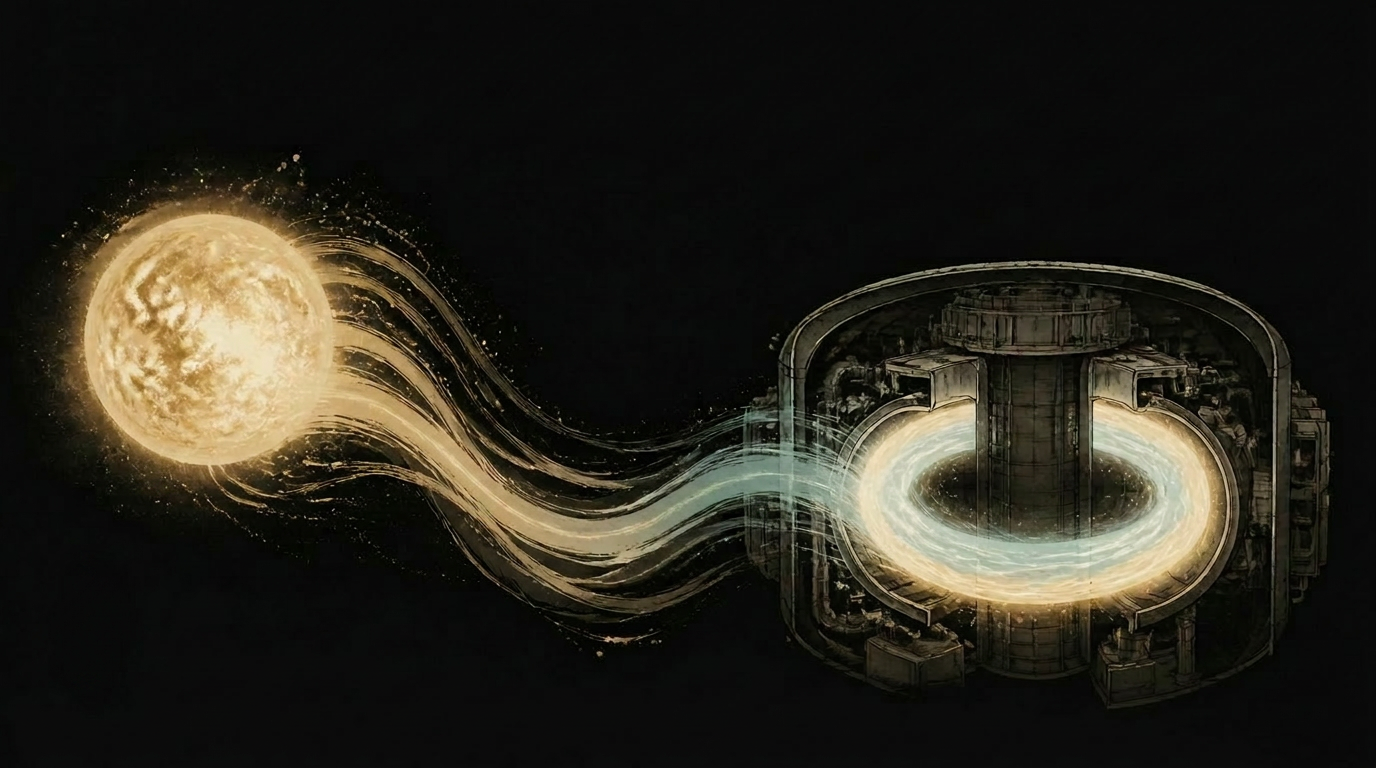
FusionTwin
An open-source digital twin for fusion reactors.
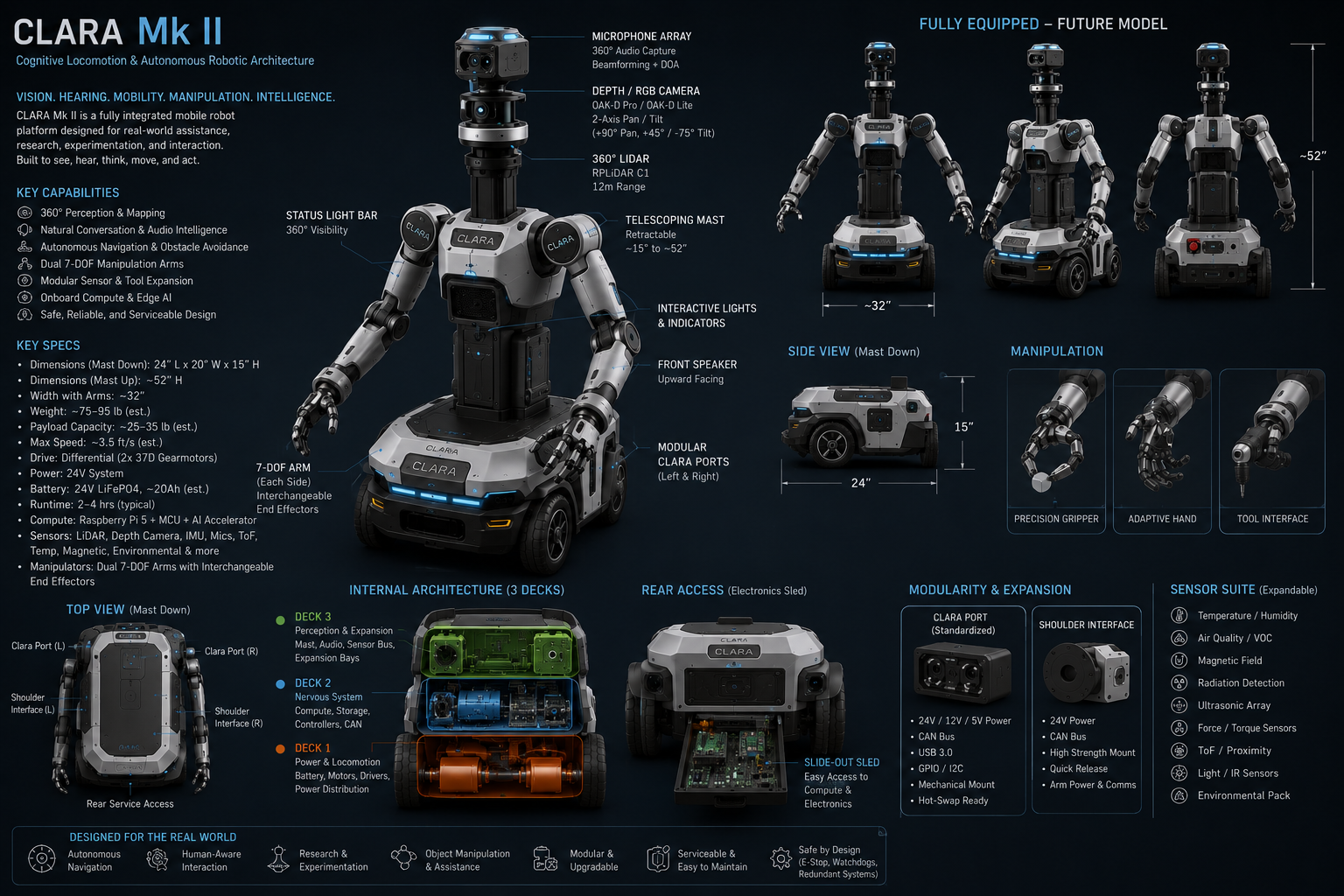
CLARA
Cognitive Locomotion & Autonomous Robotic Architecture — an embodied AI and robotics platform in active development.
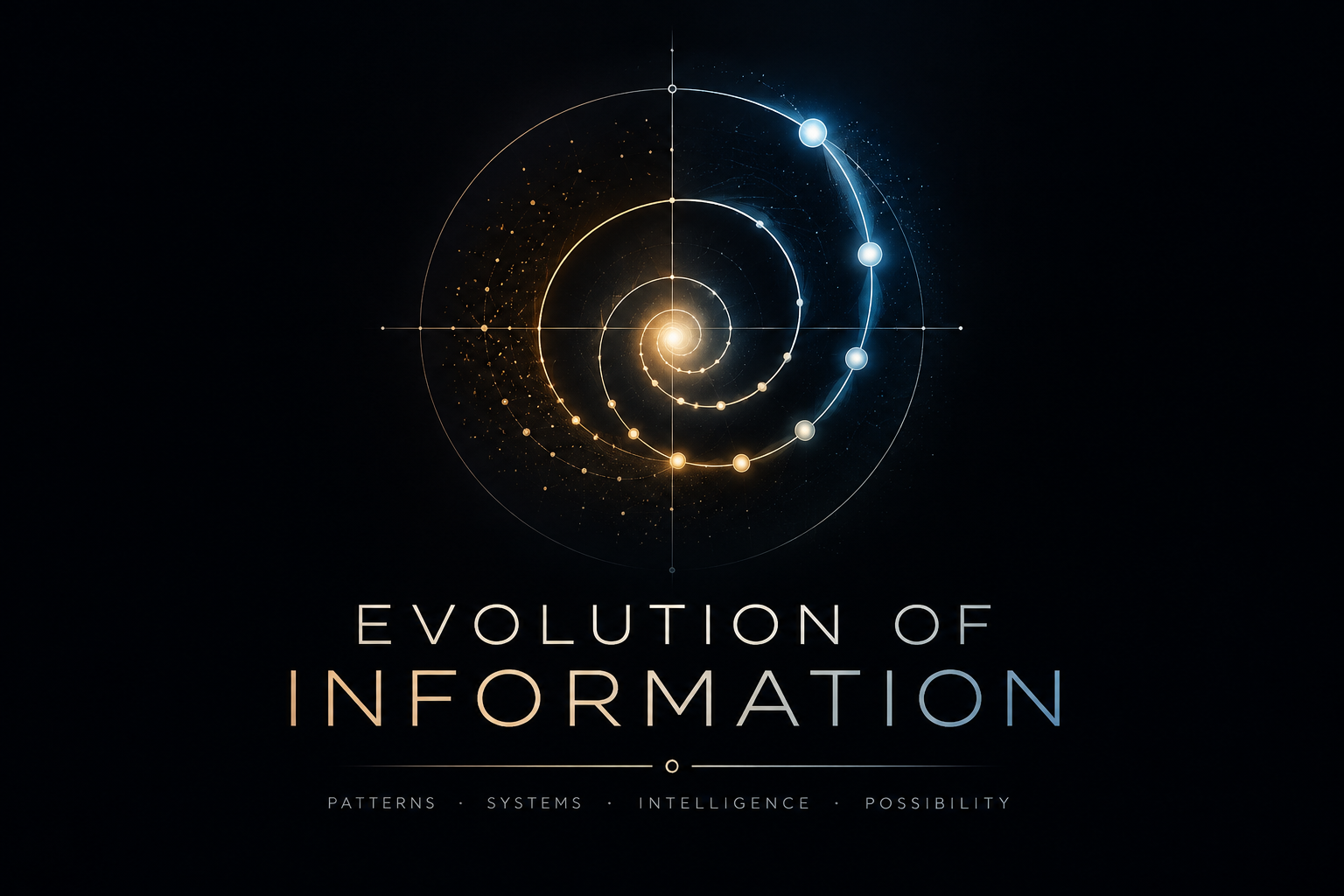
The Evolution of Information
A 13.8-billion-year exploration from matter to minds, machines, and the open question of recursive intelligence.

WeatherTunes
Turns your local weather into a musical mood, then recommends one song that matches its character.
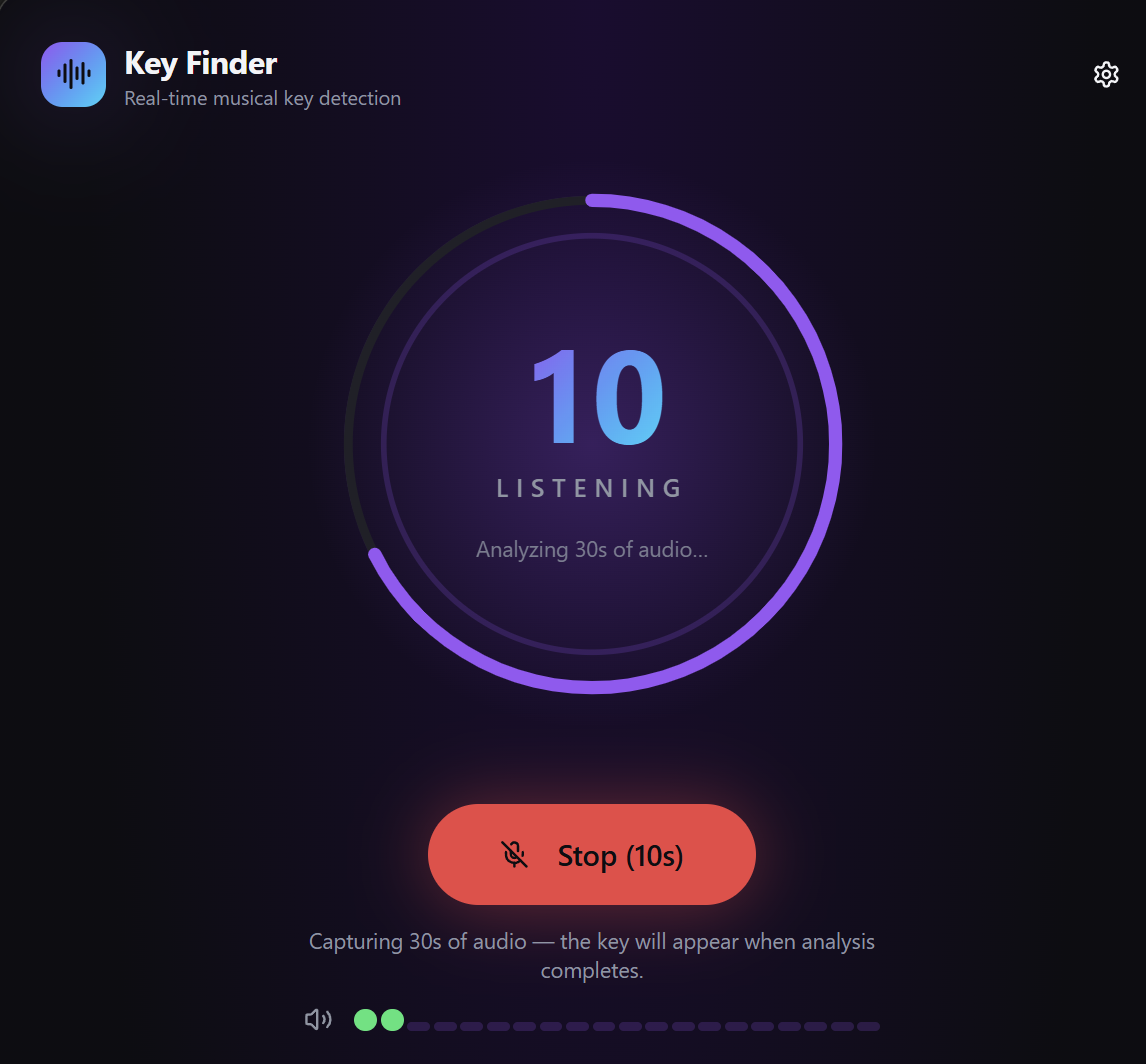
Key-Finder
Listens to a song, identifies the key of the song, and displays the chord progression of the song (experimental)
ReadAloud
Turn any PDF into natural spoken audio. Upload a document, listen anywhere.
In Development
Next experiment in the pipeline. Check back soon.
Lab_Notes / Recent
View all →- 2026.07.09 · 1 min
Editing the Divertor
A cleaner divertor pass in FusionTwin — tightening the geometry and preparing a cutout view so the interior actually becomes visible.
Continue Reading → - 2026.07.09 · 5 min
The Divertor Problem
We added a divertor to FusionTwin, modeled it wrong, and learned something useful about what a digital twin actually needs to know.
Continue Reading → - 2026.07.07 · 1 min
Reactor
FusionTwin renders its first complete reactor vessel — plasma, coils, and a sense of confinement. Next up, the divertor.
Continue Reading →